A birthday bouquet is meant to create a happy moment, not sit unanswered at a front door. If you are wondering what happens if recipient absent when flowers or a gift arrive, the short answer is that the local florist will usually look for the safest, most sensible way to complete the delivery. What happens next depends on the delivery address, the weather, the item ordered, local practices, and whether someone nearby can accept it.
The best outcome is still a successful handoff. But an absent recipient does not automatically mean a failed delivery. With clear delivery details and a little flexibility, a thoughtful surprise can often still reach the person you care about.
What Happens If the Recipient Is Absent at Delivery?
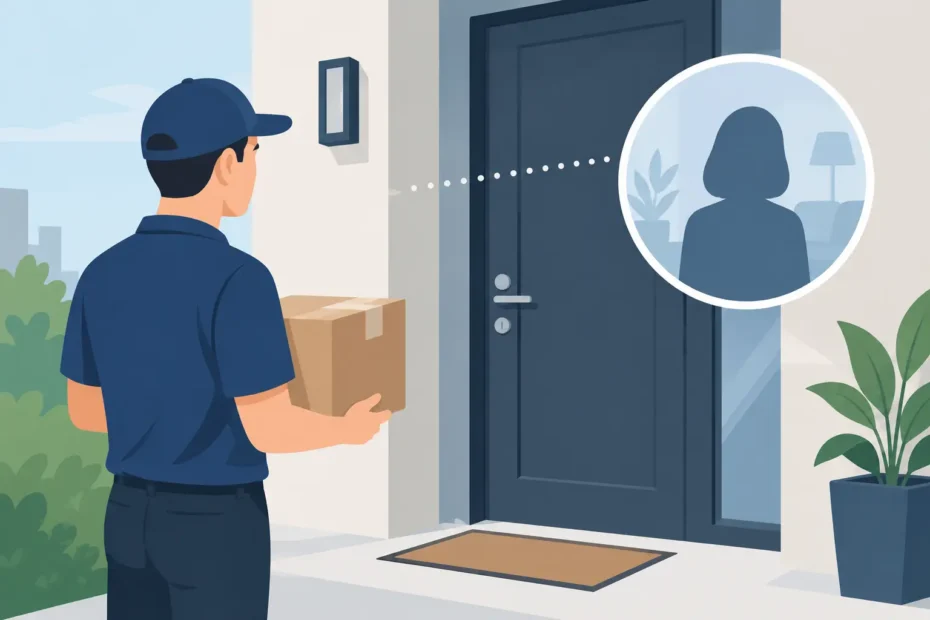
When no one answers the door, the delivery professional first assesses the situation. They may ring the bell, knock, or try the contact number provided with the order. If it is appropriate and permitted, they may ask a neighbor, building reception desk, concierge, or another authorized person to accept the flowers.
For many residential deliveries, a bouquet may be left in a sheltered, discreet spot only when it appears safe to do so. A covered porch, protected entryway, or secure reception area can work well. Leaving flowers exposed to heavy rain, direct heat, freezing temperatures, or a highly visible public area is usually not a good option. Fresh flowers deserve better than being left somewhere they could be damaged or disappear.
If a safe handoff or safe drop-off is not possible, the florist may contact the sender or recipient for instructions. Depending on local procedures and the delivery schedule, the order could be returned to the shop and another attempt arranged. Delivery policies can vary by city and florist, especially for offices, hospitals, hotels, gated communities, and rural addresses.
A Safe Delivery Is Better Than a Rushed One
It is tempting to think that leaving an order anywhere is the fastest solution. In reality, a careful decision protects both the gift and the moment behind it. A florist has to balance speed with freshness, privacy, building access rules, and the risk of theft or weather damage.
For example, a vase arrangement may be more difficult to leave safely than a wrapped bouquet. A gift basket may require a signature or a protected indoor location. During very hot or cold weather, even a short time outdoors can affect fresh blooms. In these cases, redelivery or collection from the florist may be the kinder choice.
This is also why delivery timing matters. Same-day delivery is designed for thoughtful, last-minute gestures, but an exact arrival time is not always possible. Local florists plan routes around traffic, order volume, weather, and the handling needs of each arrangement. If your recipient will be out for most of the day, choosing a workplace, hotel reception, or another staffed address can make delivery easier.
What You Can Do Before Sending Flowers
A few details at checkout can prevent most missed-delivery problems. Start with the complete address, including apartment number, building name, floor, gate code, or any relevant entry instructions. If the recipient lives in a large complex, this information can save a local florist valuable time.
A working recipient phone number is also helpful. It gives the delivery team a way to confirm access or ask where the order can be safely left without revealing too much about the surprise. If you want the gift to remain a complete secret, consider adding a note such as, “Please call on arrival if needed,” rather than sharing every detail in advance.
Think about the recipient’s day, too. Home delivery works beautifully when someone is likely to be available. For busy professionals, an office address may be more reliable, provided the workplace accepts personal deliveries. For travelers, a hotel name, room number if available, and front-desk instructions can help. For hospital deliveries, always check whether flowers are accepted in the relevant unit before ordering.
When you send through eFloristApp, your order is fulfilled by a nearby professional florist, which means the person handling delivery understands local streets, buildings, and common access challenges. That local knowledge is especially valuable when you are arranging a gift from another city or country.
If the Recipient Cannot Be Reached
Sometimes the recipient is unavailable, their phone is off, and there is no safe place to leave the order. In that case, the delivery team may contact you, the sender, to discuss the next step. Be ready to respond if you can, particularly for a same-day order.
You may be asked whether the flowers can be left with a neighbor, delivered to another nearby address, or redelivered later. The available options depend on the florist’s route and the condition of the arrangement. A second delivery attempt may involve an additional charge in some cases, particularly if the original address was incomplete, access was not possible, or a new trip is required.
If you know your recipient has an unpredictable schedule, it can help to send a brief message after placing the order. You do not have to spoil the surprise. Something as simple as “Try to be available for a delivery today” can make all the difference.
Special Addresses Need Extra Care
Apartment buildings and gated communities are common reasons for delivery delays. A driver may not be able to enter without a code, name on the directory, or permission from the recipient. Add those details when ordering rather than assuming the delivery person can get access.
Workplaces have their own rules. Security desks may refuse packages without a full name, department, or phone number. Some offices close early or do not accept deliveries after a certain hour. If the gift is for a colleague, sending it a day before a major holiday or office celebration can reduce pressure on both the delivery team and the recipient.
Hotels and hospitals can be convenient, but policies change. A hotel may accept flowers at reception but not deliver them to a room immediately. A hospital may restrict flowers in intensive care or other sensitive areas. Giving the florist accurate recipient details and an alternate contact can help them make the right call.
How to Choose the Best Delivery Option
The right approach depends on the occasion. For a surprise anniversary bouquet, home delivery with a safe-location instruction may feel personal and relaxed. For a sympathy arrangement, it is often better to use a funeral home, service venue, or confirmed family address. For a birthday at work, a reception desk may be ideal.
Before checkout, consider these practical questions: Will someone be there? Is the entrance accessible? Can a neighbor or concierge accept the gift? Will the flowers be protected if left briefly? If the answer is unclear, provide a backup contact or choose an address where someone can receive the order.
International gifting adds another layer. Addresses and building access practices differ from place to place, whether you are sending flowers to New York, London, Paris, Dubai, Singapore, or another major city. Local florist fulfillment helps, but accurate recipient information remains the most useful thing a sender can provide.
A Missed Doorbell Does Not Have to Miss the Moment
Flowers are a personal gesture, and a careful delivery process protects that feeling. If the recipient is absent, the goal is not simply to mark an order as delivered. It is to find the safest available route for the bouquet to arrive fresh, secure, and ready to brighten their day.
Add clear instructions, keep your phone nearby after ordering, and choose an address that suits the recipient’s schedule. A little planning gives local florists the flexibility to handle the unexpected, so your gift still has the chance to make someone happy today.